Shanghai in the Dust
Ongoing comprehensive research project based on essay, documentary photography and rendering outputs
Rendering series: 25 Fall | SES 5443 New Image of the City | Instructor: Alex Yuen
Essay: 24 Fall | HIS 4522 Essaying Architecture| James Graham (not published yet)
Photo Essay: 2022 - 2025 | Individual
Renderings
Tools: ArcGIS, Rhino, Vray, Photoshop
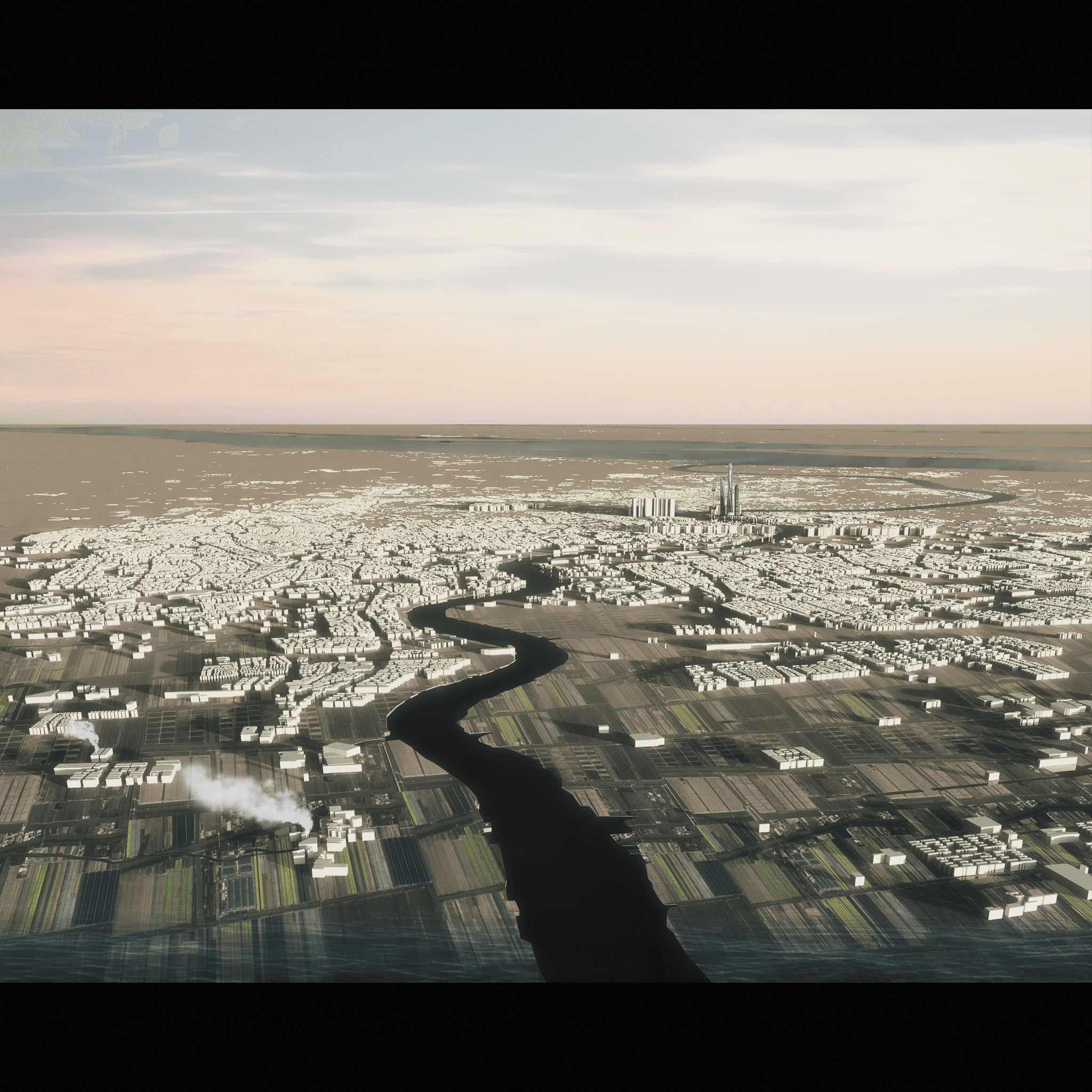
Ex1. The Analyst. From fields to the sea
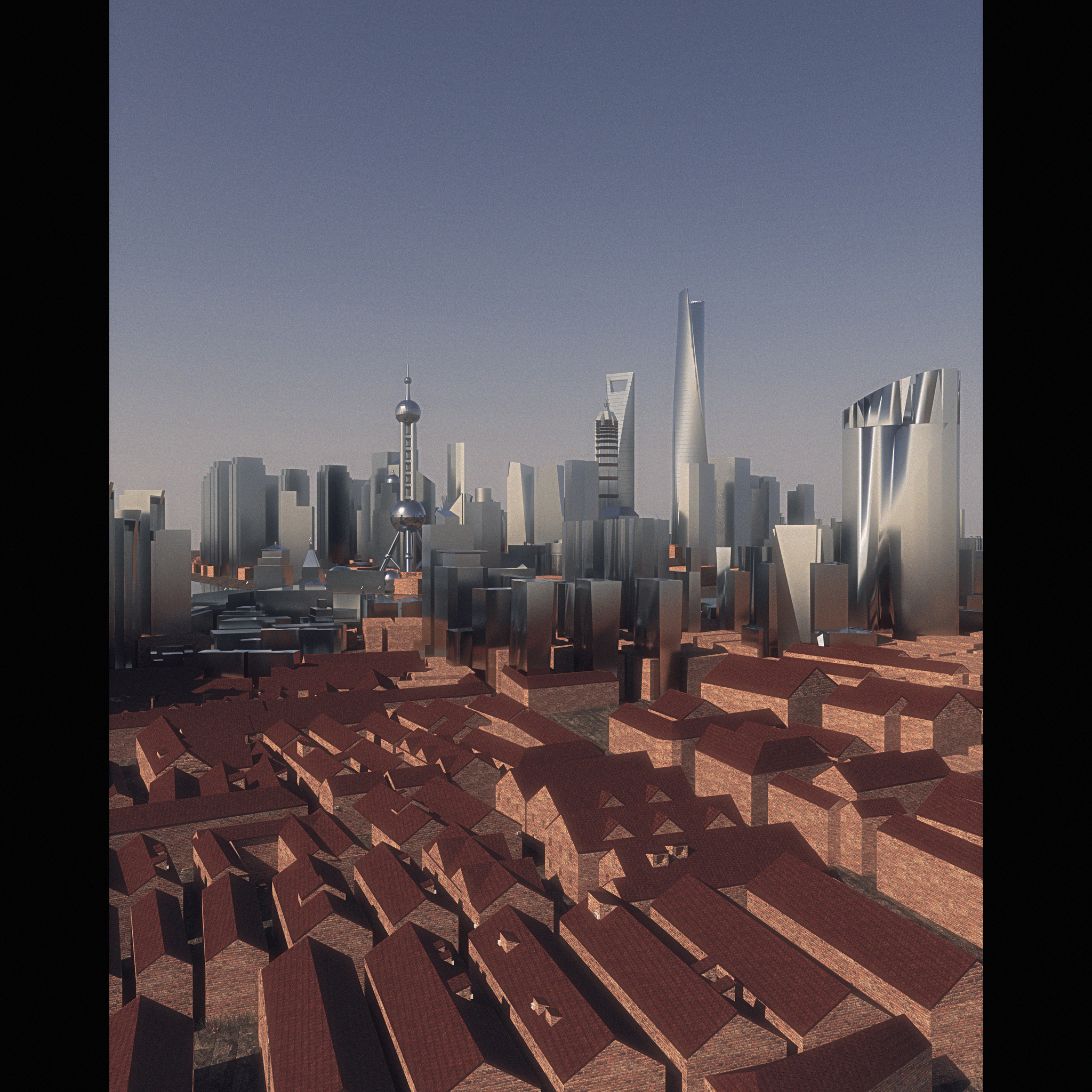
Ex2. The Birdseye. Bricks and steel.
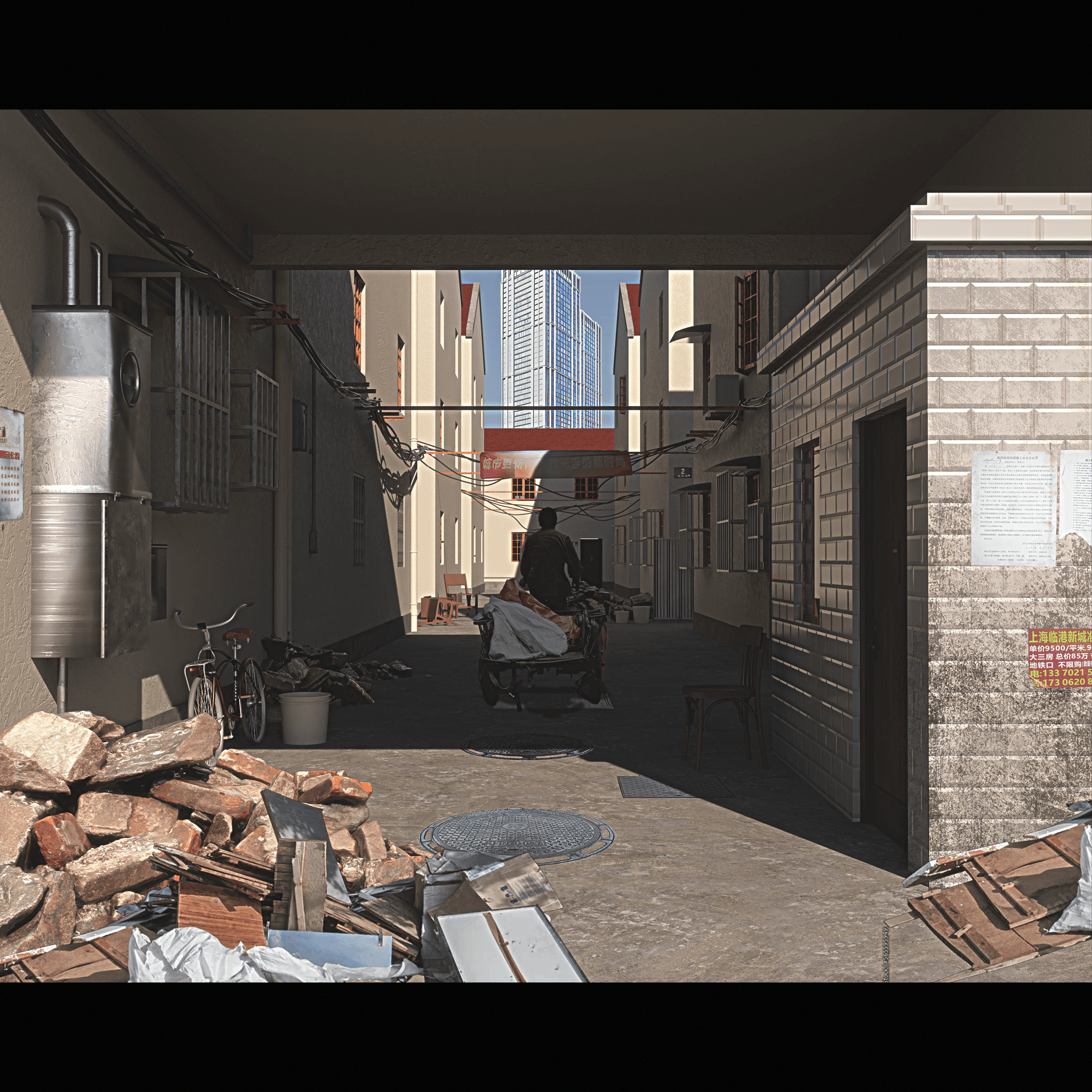
Ex3. The Visitor. The vanishing Li-Long.
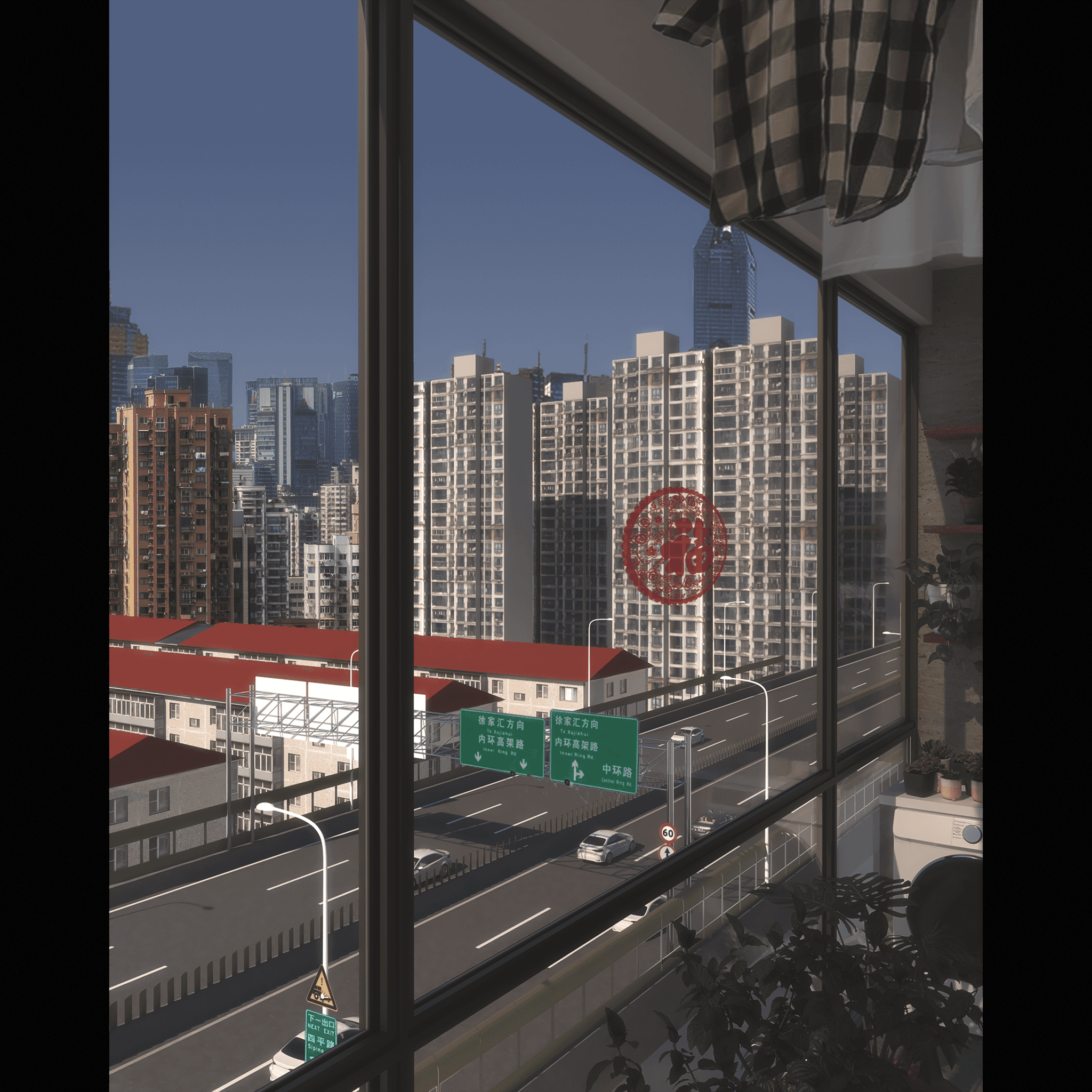
Ex4. The Local. The new life.
Description of rendering images
Before coming to the States for college in 2019, I spent most of my life in Shanghai. This city has been manifesting so many faces to me: from farmland to skyscrapers, from suburb that looks like under developed town to lavish shopping malls. All of these memories carry an equal amount of importance in my mind. For me, they are all inseparable parts of the city. This is also why, in the early stages of making this series of images, I found myself hesitating and repeatedly questioning myself about what to show.
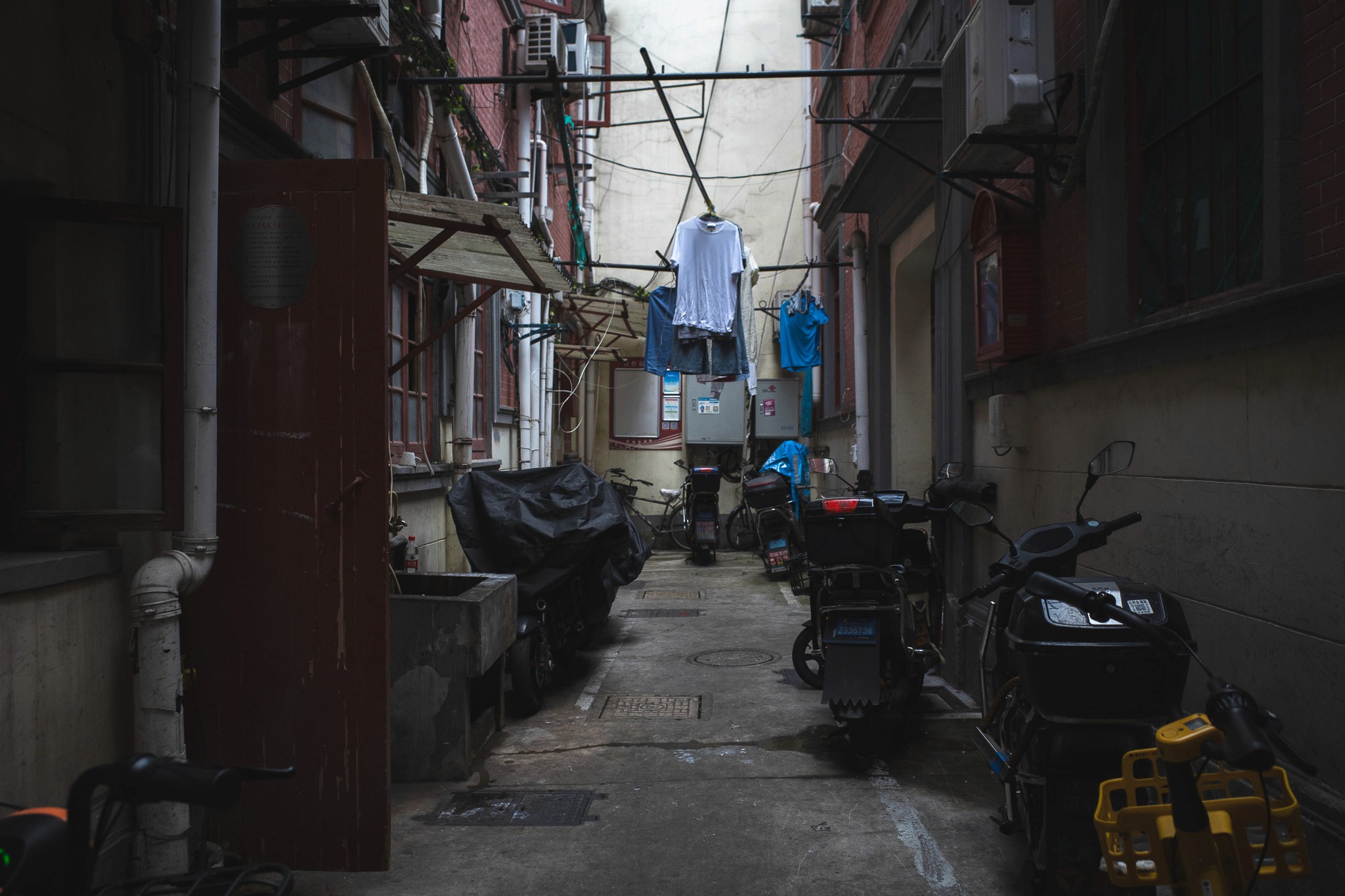
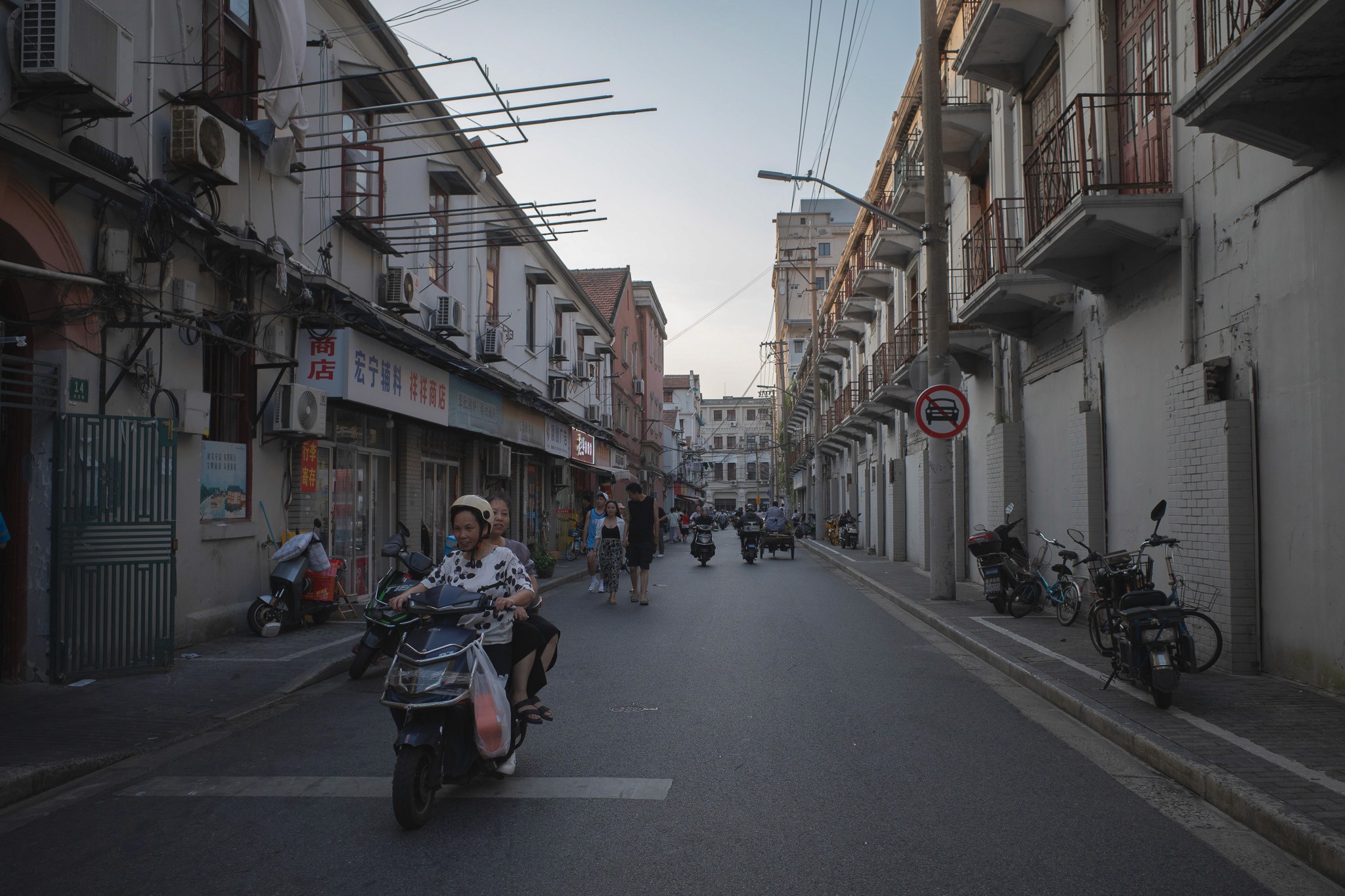
Yet as I wandered across the many corners of Shanghai, one theme consistently emerged: the constant interplay between the old and the new. Shanghai’s rapid development, along with its irreplaceable historical and economic significance, has created an scenario that one might see reinforced concrete skyscrapers, colonial architecture from the concession era, and old crowded residential buildings at the same time. The pace of urban renewal is such that any corner of Shanghai you see today may look entirely different tomorrow. It is as though the flow of time accelerates in the city center.
If you go slightly away from the core, one encounters Soviet-influenced workers’ housing, various commercial and public apartment blocks, district-level shopping centers and that’s where more residents live; farther out lie villages and farmland on the brink of disappearance; and beyond that, the Yangtze River sediments that gave birth to Shanghai, and the vast, ancient, unchanging sea.
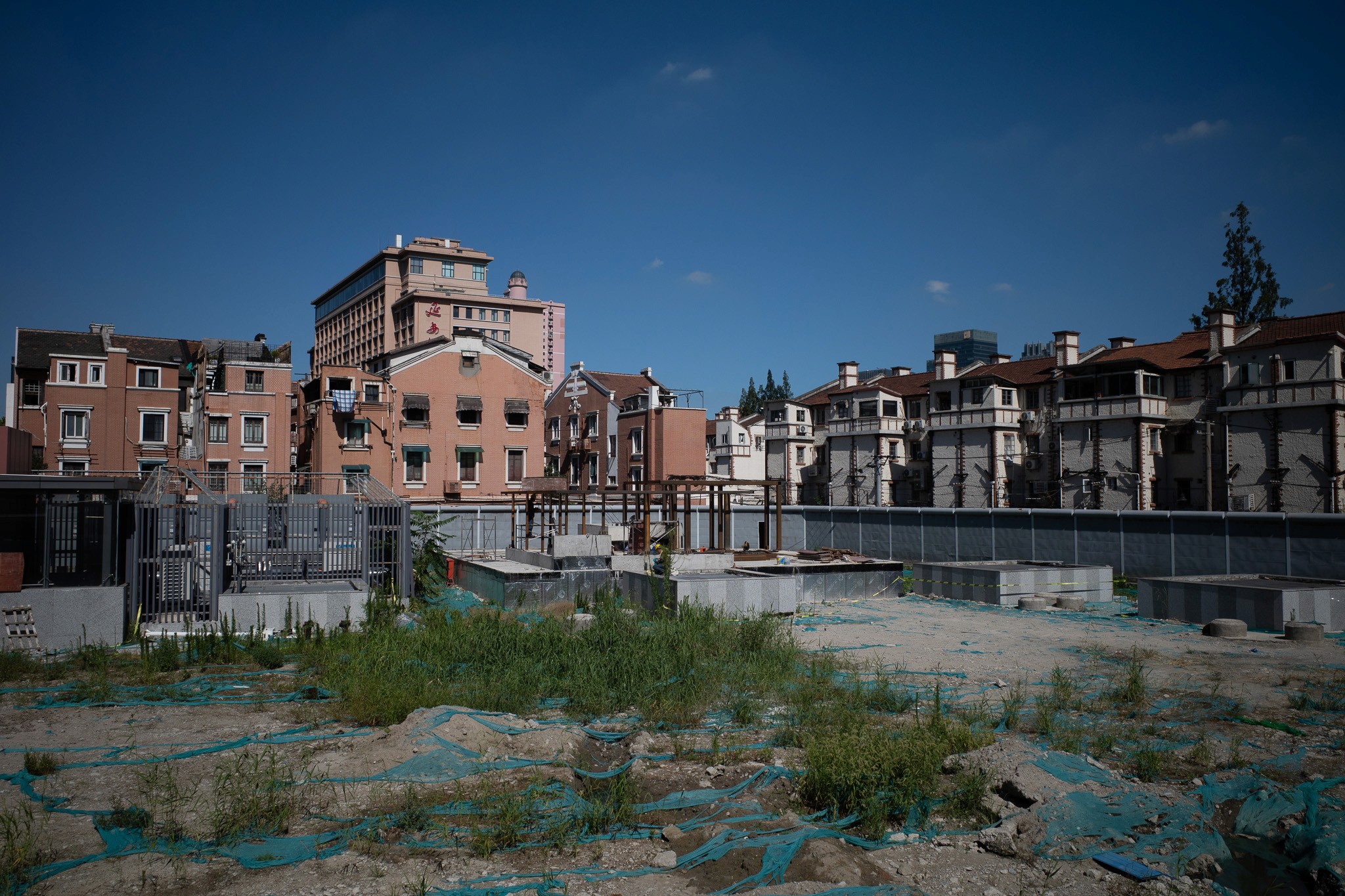
“Dislocation” or “a sense of rupture” is often used to describe Shanghai. People assume it is a glamorous, international metropolis overflowing with fashion, trends, and Western cultural influence. But this sense of rupture comes not only from the extreme juxtaposition of old and new—it also comes from the fact that many visitors forget that this is still a city where people live, a place where everyday life unfolds. The city would not be alive with only luxury boutiques, but in the traces of daily living. This is why, for someone like me who loves to wandering through city streets, Shanghai evokes a subtle sadness. After the pandemic, each time I returned home, I would see shops relocating, old houses being demolished. Some residents are relocated to suburb; others choose to take a considerable compensation. some hoping to “get rich from demolition,” others reluctant to leave their long-term homes. It is a complex issue that I could spend an entire afternoon to talk about.
But ultimately, everything has two sides. For most residents, urban renewal brings much-improved living conditions.
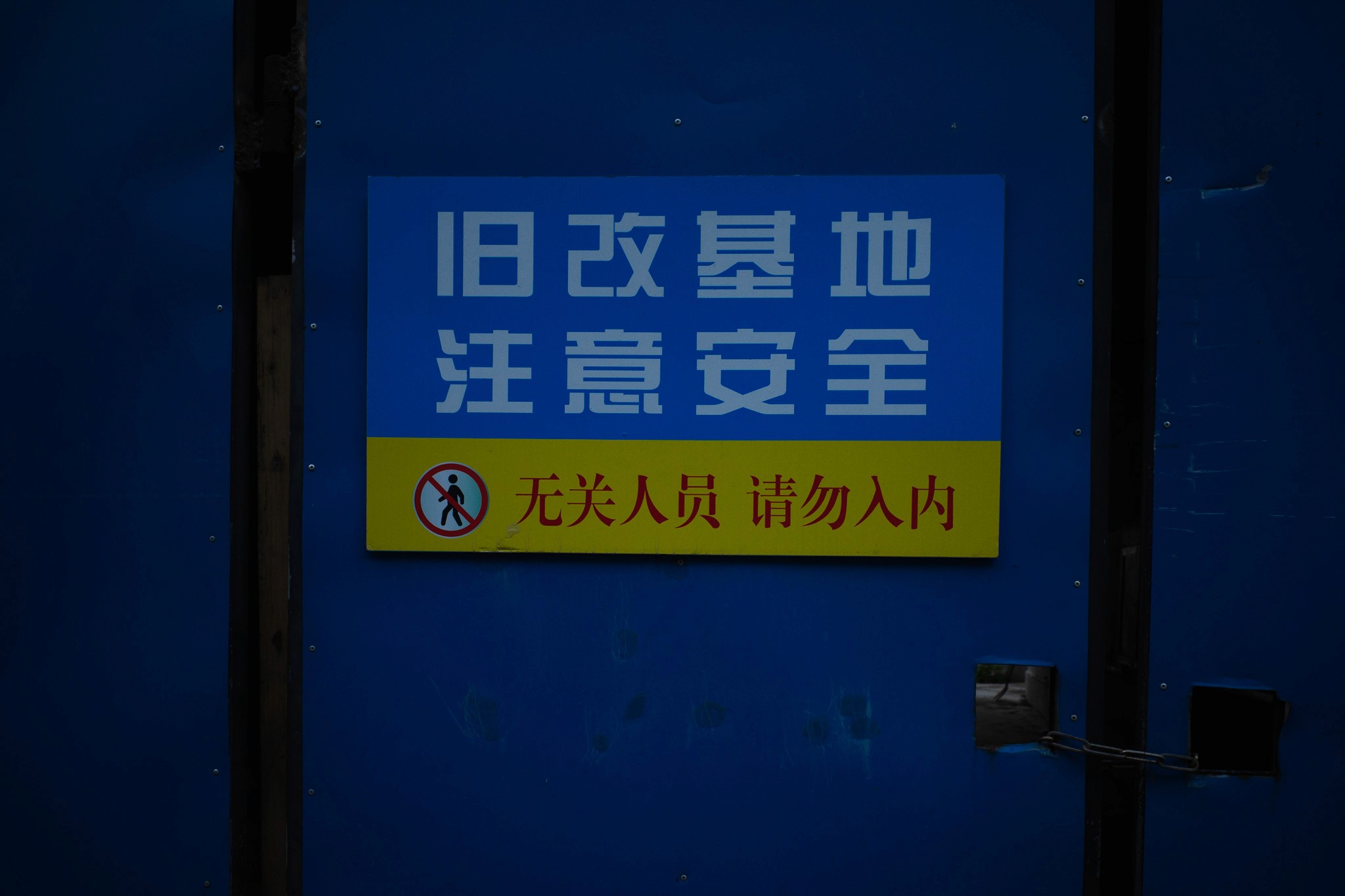
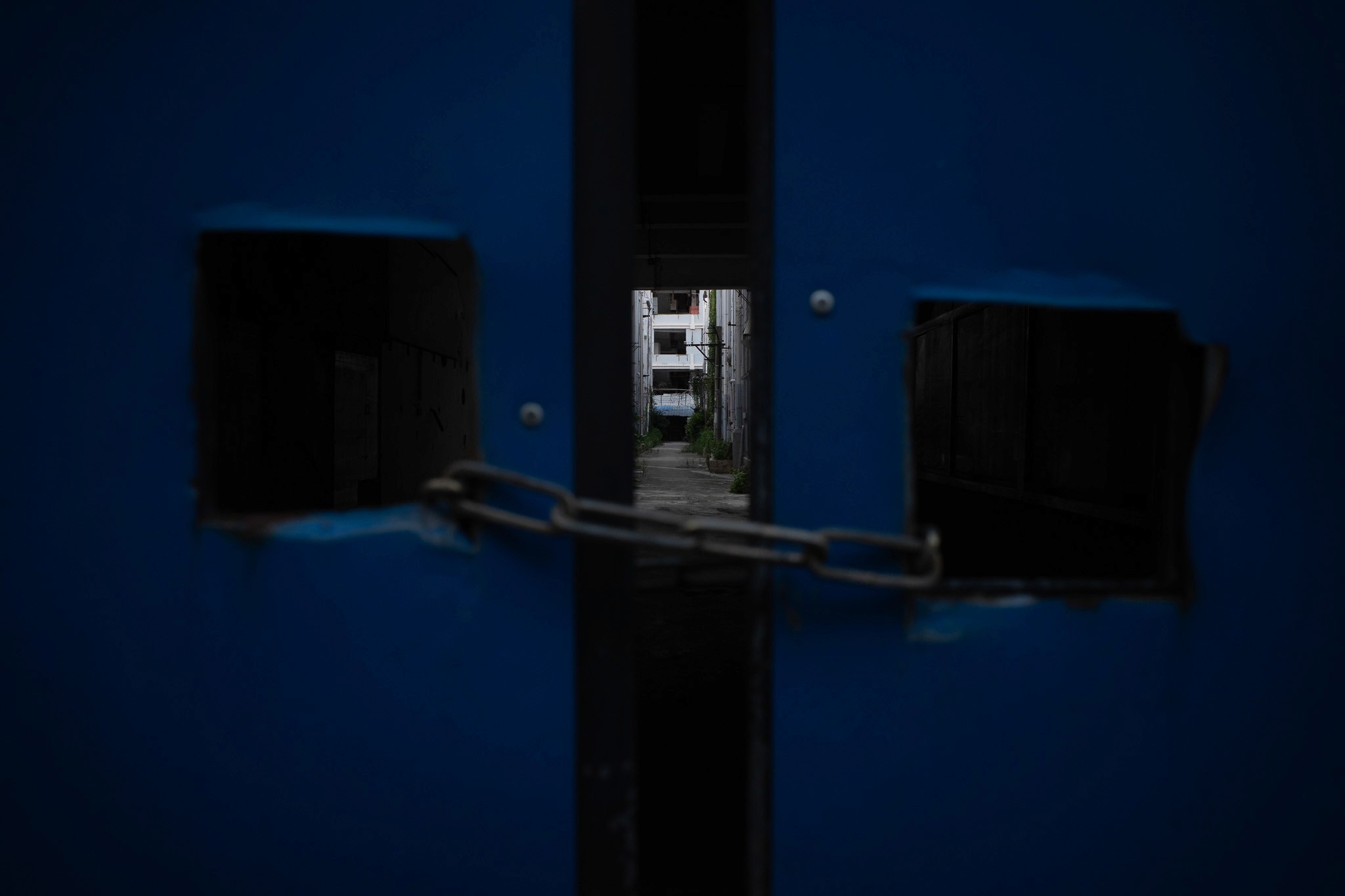
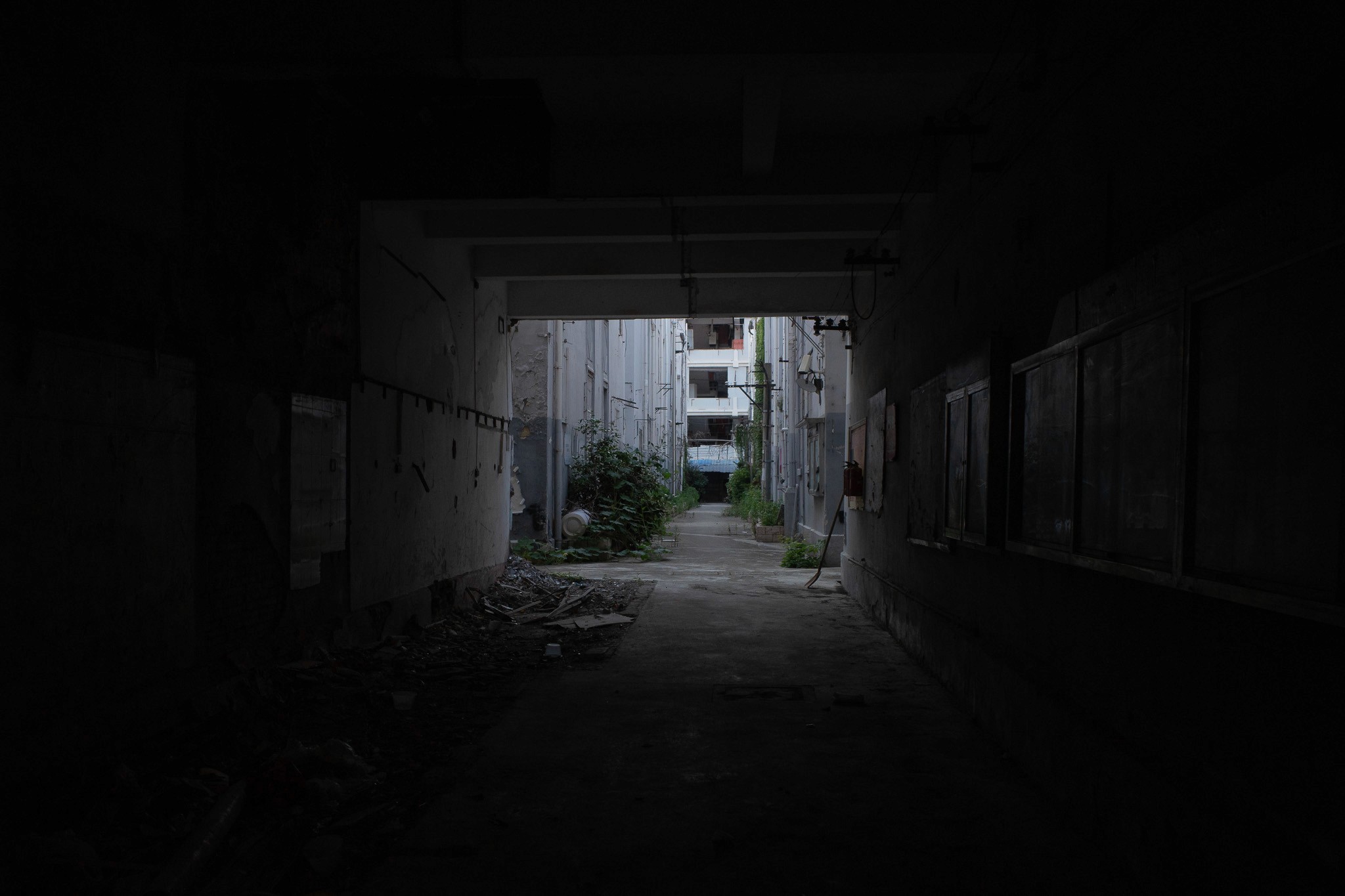
The reason that I show such a scene of demolition is because many of these old neighborhoods are located in the city’s core, making them nearly impossible to avoid when visiting Shanghai—at least in recent years. This is like a fragile crack in urban renewal, revealing the true face of the city. After redevelopment, some of these buildings become luxury hotels and commercial streets. This is a decision made by capitalism —but for me, it represents a cultural loss for the city. For the residence’s view, I selected one of the most ordinary, unremarkable urban landscapes yet it would be the most common view for residence. It is almost a classic sample of the “Generic City.” Only through the elevated highway sound barriers, streetlights, old public housing projects, and dense high-rise apartments, one can still catch a glimpse of Shanghai.
Urban renewal always has two sides, which is a problem we have to face. When we gain something, we must also have lost something. Whether it's good or bad, everyone should have their own answer.
And finally, I love my city, I love where I am from. I know that I don’t have that power to really make any changes to the trajectory of urban development, but for me it is already lucky enough to be there, to observe, and to record all things had happened.